Strategic Integration of Live Dealer Technology in Mobile Freeroll Tournament Ecosystems
Drew Vogel · Aug 19, 2026

Strategic Integration of Live Dealer Technology in Mobile Freeroll Tournament Ecosystems
Live dealer technology merges real-time video streams with digital interfaces, allowing players to participate in freeroll tournaments through mobile devices without entry fees yet with prize pools funded by operators or sponsors. Data from industry reports shows that this setup relies on high-definition cameras, optical character recognition software, and low-latency streaming protocols to replicate physical table experiences on smartphones and tablets. Platforms deploy these systems to maintain regulatory compliance while expanding access to events that attract thousands of participants monthly.
Core Components of Mobile Integration
Mobile freeroll ecosystems require optimized applications that handle both the video feed and interactive betting controls on smaller screens. Engineers focus on adaptive bitrate streaming to accommodate varying network speeds, while developers integrate touch-based interfaces for card actions and chat functions. Studies from research institutions indicate that successful implementations reduce latency below 200 milliseconds to preserve the pace of tournament play across global user bases.
Operators coordinate with software providers to embed live dealer feeds directly into freeroll lobbies, enabling seamless transitions between registration and active tables. Security protocols encrypt video data alongside transaction records, and device sensors support features such as location verification required by certain jurisdictions. In August 2026, several networks reported expanded testing of 5G-enhanced streams that support higher frame rates during peak tournament hours.
Strategic Planning for Tournament Structures
Planners align live dealer sessions with freeroll schedules that run multiple starting times daily, adjusting for time zones and player volume spikes. Analytics tools track participation rates and dropout patterns, allowing adjustments to blind structures and prize distributions based on historical figures. Industry associations note that data-driven scheduling increases retention because players encounter consistent dealer pacing and reliable mobile performance.
Resource allocation covers dealer training programs that emphasize clear verbal communication suited to compressed audio channels on mobile devices. Platforms also maintain backup dealer rosters to handle extended tournament durations without interruption. External links to regulatory documents, such as those published by the Nevada Gaming Control Board, outline technical standards that influence these operational decisions across multiple regions.
Technical Infrastructure and Scalability
Backend systems connect mobile clients to centralized dealer studios through content delivery networks that route streams from regional servers. Load balancing distributes traffic during large freeroll fields, while monitoring dashboards flag bandwidth issues before they affect gameplay. Research papers from academic sources on digital gaming infrastructure highlight how modular server architectures permit operators to scale events from hundreds to tens of thousands of entrants without hardware overhauls.
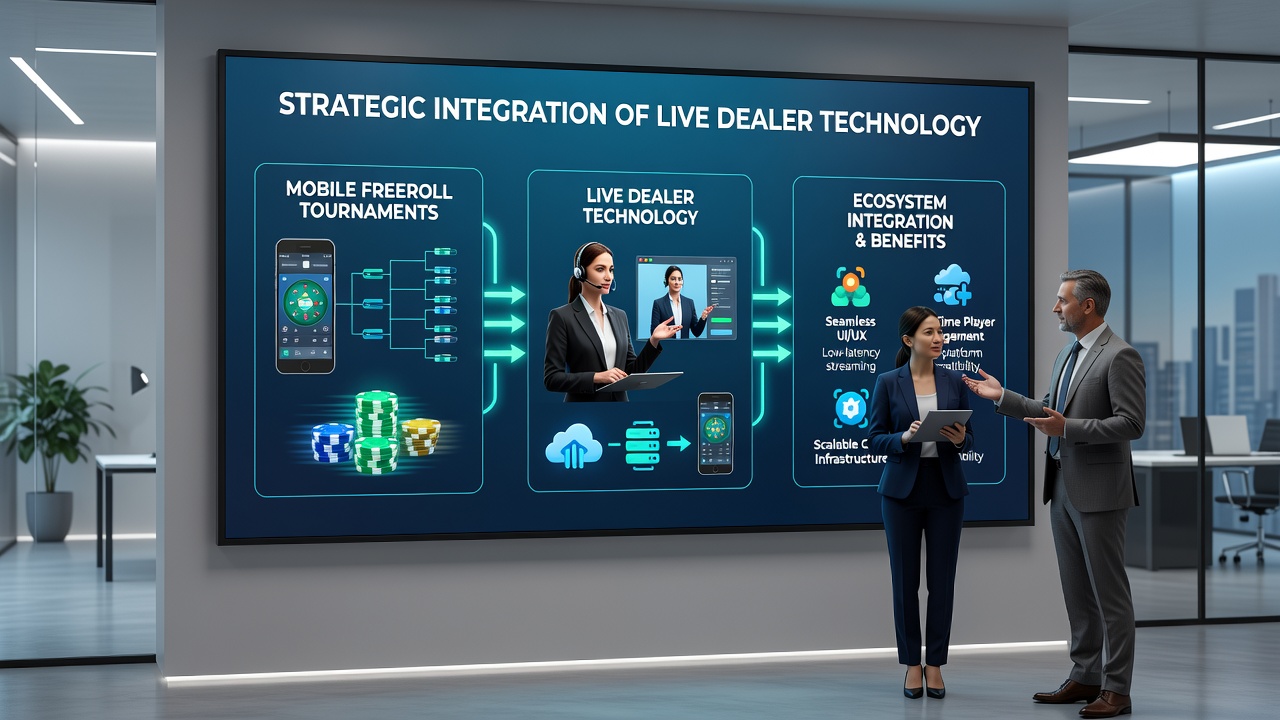
Software updates roll out through app stores with version controls that maintain compatibility across operating systems. Integration teams test new features in closed beta environments that mirror production freeroll conditions, collecting performance metrics before wider release. Observers report that these iterative cycles support continuous refinement of overlay graphics and notification systems that alert players to upcoming hands or table changes.
Regulatory and Compliance Considerations
Jurisdictions impose specific requirements on live dealer operations, including camera angle standards, identity verification processes, and audit trails for every dealt card. Mobile platforms incorporate geofencing and age gates at login to meet these rules before granting access to freeroll events. Figures from European regulatory bodies demonstrate that documented compliance reduces operational interruptions and supports license renewals.
Operators collaborate with third-party auditors who review stream integrity and random number generator backups used when live feeds experience rare technical faults. These reviews occur at scheduled intervals and after any significant system change. Documentation practices ensure that tournament histories remain accessible for dispute resolution or statistical analysis requested by oversight agencies.
Player Engagement Metrics and Platform Adjustments
Engagement data reveals patterns in session length and return rates that guide interface tweaks, such as simplified menu navigation during high-stakes freeroll stages. Push notifications timed to tournament milestones keep participants informed without requiring constant app foreground activity. Industry organizations compile anonymized datasets that reveal correlations between stream quality and completion rates across different device types.
Support teams monitor in-app feedback channels to identify recurring technical questions, then refine help resources accordingly. Educational overlays explain dealer procedures and mobile gesture controls to new users, reducing early-stage drop-off. These adjustments occur continuously as usage statistics accumulate from successive events.
Conclusion
Strategic integration of live dealer technology into mobile freeroll tournament ecosystems centers on coordinated infrastructure, regulatory alignment, and data-informed scheduling. Platforms that maintain low-latency streams and responsive interfaces sustain participation levels across expanding player pools. Continued advancements in network capabilities and compliance frameworks shape ongoing development in this sector.